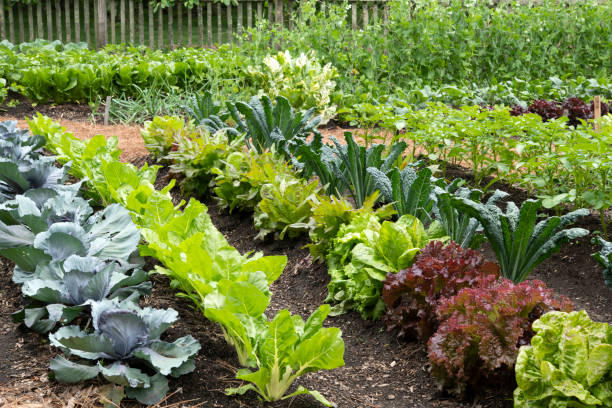
Some home vegetable garden design ideas include raised beds, square foot gardening, and using recycled materials. Raised beds can help with drainage and make it easier to reach your plants. Square foot gardening is a method of growing vegetables in small spaces by dividing the area into squares.
Using recycled materials like pallets or tires can create cheap and easy planters for your garden.
When it comes to home vegetable garden design, there are endless possibilities. But where do you start? Here are a few ideas to get you started.
First, think about what vegetables you want to grow. Do you have a favorite recipe that calls for specific ingredients? Or maybe you just want to grow whatever is in season.
Once you have an idea of what you want to grow, research which vegetables will do best in your climate and soil type. Once you know what vegetables you want to grow, it’s time to start planning your garden layout. Where will each plant go?
How much space will they need? Will they need full sun or can they tolerate some shade? Draw up a plan or use gardening software to help you map out your garden.
Now it’s time to get planting! Start with the plants that take the longest to mature, such as tomatoes and peppers. Then move on to quicker-growing crops like lettuce and radishes.
Before long, you’ll be harvesting fresh produce from your own backyard!
Vegetable Garden Layout Planner Free
When it comes to starting a vegetable garden, one of the most important things to do is plan your layout. This may seem like a daunting task, but luckily there are some great free resources available to help you out. One of the best free vegetable garden layout planners is Garden Planner Online.
This tool allows you to input the size and shape of your garden, as well as what vegetables you want to grow. You can then drag and drop plants into place, and Garden Planner Online will show you how many plants of each type will fit in your space. Another great free resource is The Old Farmer’s Almanac Garden Planning Toolkit.
This toolkit includes a garden planner, as well as tips on starting seeds, choosing plants, and more. With these helpful resources at your disposal, planning your vegetable garden layout should be a breeze!
How Should I Layout My Vegetable Garden?
There is no one answer to this question since it depends on a number of factors, including the size and shape of your yard, the amount of sun and shade, and what types of vegetables you want to grow. However, there are some general guidelines you can follow when planning your garden layout. If you have a small yard or limited space, consider growing vegetables in containers or raised beds.
This will give you more control over the soil and drainage, and will make it easier to keep weeds at bay. You can also plant crops closer together in a smaller space if you use vertical gardening techniques like trellising or staking. In terms of sun exposure, most vegetables need at least six hours of sunlight per day.
Soil that is too shady will be damp and cool, which can lead to fungal diseases. If your yard doesn’t get enough sun, consider planting fast-growing crops like lettuce or radishes that don’t require as much light. When planning where to put your garden beds or rows, take into account the mature height of the plants when they are fully grown.
Taller plants should be placed in the back so they don’t block out the sun for shorter ones in front. You’ll also want to leave enough space between each bed or row for walking and working around them easily. Finally, think about any existing features in your yard that could affect your garden layout – such as trees, fences or sheds – and plan accordingly.
By following these tips, you can create a vegetable garden layout that works best for your space and needs.
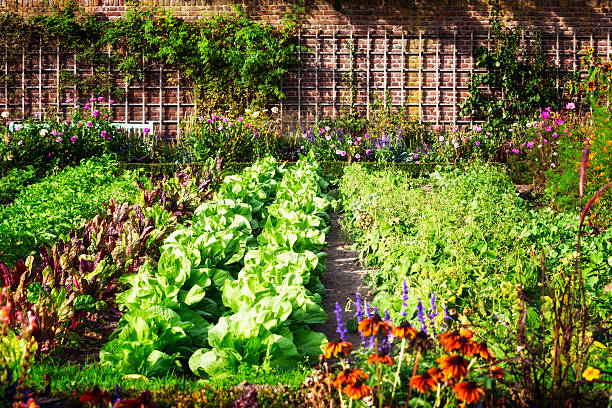
What 3 Vegetables Grow Well Together?
There are many vegetables that grow well together, but three that always seem to do especially well are tomatoes, peppers, and eggplants. These plants all thrive in warm weather and enjoy being in close proximity to one another. They also share similar nutrient needs, so they make a great team when planted together in the garden.
Tomatoes are the star of the group and will provide plenty of fruit for harvesting throughout the growing season. Peppers will add some spice to the mix, while eggplants offer a unique flavor that rounds out the group. All three of these vegetables can be used in countless recipes, so you’ll never get bored with your harvest.
When planting these vegetables together, be sure to give each one enough space to spread out. Tomatoes can get quite large, so they will need room to grow without being crowded by their smaller companions. Eggplants can also spread out quite a bit, so keep that in mind when mapping out your garden bed.
With a little care and attention, you’ll have a bountiful harvest of delicious vegetables that were grown right in your own backyard!
Which Vegetables Grow Well Together Chart?
Growing your own vegetables can be a fun and rewarding experience. Knowing which vegetables grow well together can help you get the most out of your garden. Here is a chart of some common vegetables and which ones grow well together.
Vegetables that Grow Well Together Beans: Bush beans, Lima beans, Pole beans, Runner beans Beets
Broccoli Cabbage: Bok choy, Brussels sprouts, Cauliflower, Chinese cabbage, Collards, Kale Kohlrabi Carrots
Cucumber Eggplant Lettuce: Head lettuce, Romaine lettuce, Leaf lettuce
Onions: Green onions/scallions, Bulb onions Peas: English peas , Snow peas , Sugar snap peas Pepper : Bell peppers , Chili peppers , Sweet peppers
Radish Spinach Swiss chard
What Vegetables are Best for Home Garden?
There are a wide variety of vegetables that can be grown in a home garden, but some are better suited than others. Here are a few of the best vegetables for a home garden:
1. Tomatoes – Tomatoes are one of the most popular vegetables to grow at home, and for good reason. They’re relatively easy to care for and produce a bountiful harvest. Plus, there’s nothing quite like the taste of homegrown tomatoes.
2. Cucumbers – Cucumbers are another easy-to-grow vegetable that does well in most gardens. They’re perfect for adding to salads or eating on their own as a refreshing snack.
3. Squash – Summer and winter squash are both excellent choices for the home gardener. They’re relatively low maintenance and produce an abundance of fruit (or in this case, veggies).
4. Green Beans – Green beans are a staple in many gardens and with good reason; they’re simple to grow and produce a large crop. they can also be eaten fresh or canned/frozen for later use.
5. Peppers – Peppers come in many different varieties, from sweet bell peppers to hot chili peppers, so there’s sure to be one that suits your taste buds.
Conclusion
Assuming you would like a summary of this blog post: The author begins by discussing the benefits of having a home vegetable garden, including being able to save money and eat healthier. They provide some tips on getting started, such as making sure to choose the right location for your garden and choosing plants that will do well in your climate.
They also provide some design ideas, such as using raised beds or containers, adding Trellises or other vertical structures to maximize space, and using companion planting to attract beneficial insects.


